Trousdale Estates is 410 lots on the hillside above Sunset, plotted in 1955, mostly built between 1957 and 1965, every house single-story by deed restriction, every lot sitting on a piece of view that cannot be reproduced. The land is finished. The buildings on it are not.
That gap is the entire opportunity. A buyer in 2026 has two paths in Trousdale. Pay $18M to $30M for a new-construction spec on a tear-down lot, or pay $9M to $15M for a 1960s Quincy Jones, Hal Levitt, or Paul Williams that needs a careful restoration. We have closed both kinds of deals in the last twelve months. The restoration math wins almost every time the buyer has any patience.
The view lots in Trousdale aren't being made anymore. The houses on them can be improved.
The new-construction spec product in Trousdale has a problem. Most of the builders are pricing for a 2021 buyer and a 2021 finish palette. White oak floors, slab marble waterfall islands, sliding glass walls the size of a tennis court, a $200K kitchen package that will be dated by 2029. The land is great. The house on top of it usually is not. And the buyer who pays $26M is paying $14M for land and $12M for finishes that depreciate the day they move in.
A 1962 Hal Levitt on a comparable lot, by contrast, comes in at $11M to $13M, needs $1.5M to $2.5M of careful work to bring the systems up to code without ripping out the architectural character, and lands on the other side at $14M to $16M with the right finish-out. Same view. Same lot. Better house. Three to five years of architectural reputation appreciation that the spec house will never get because nobody is going to write a New York Times piece about a 2026 builder spec.
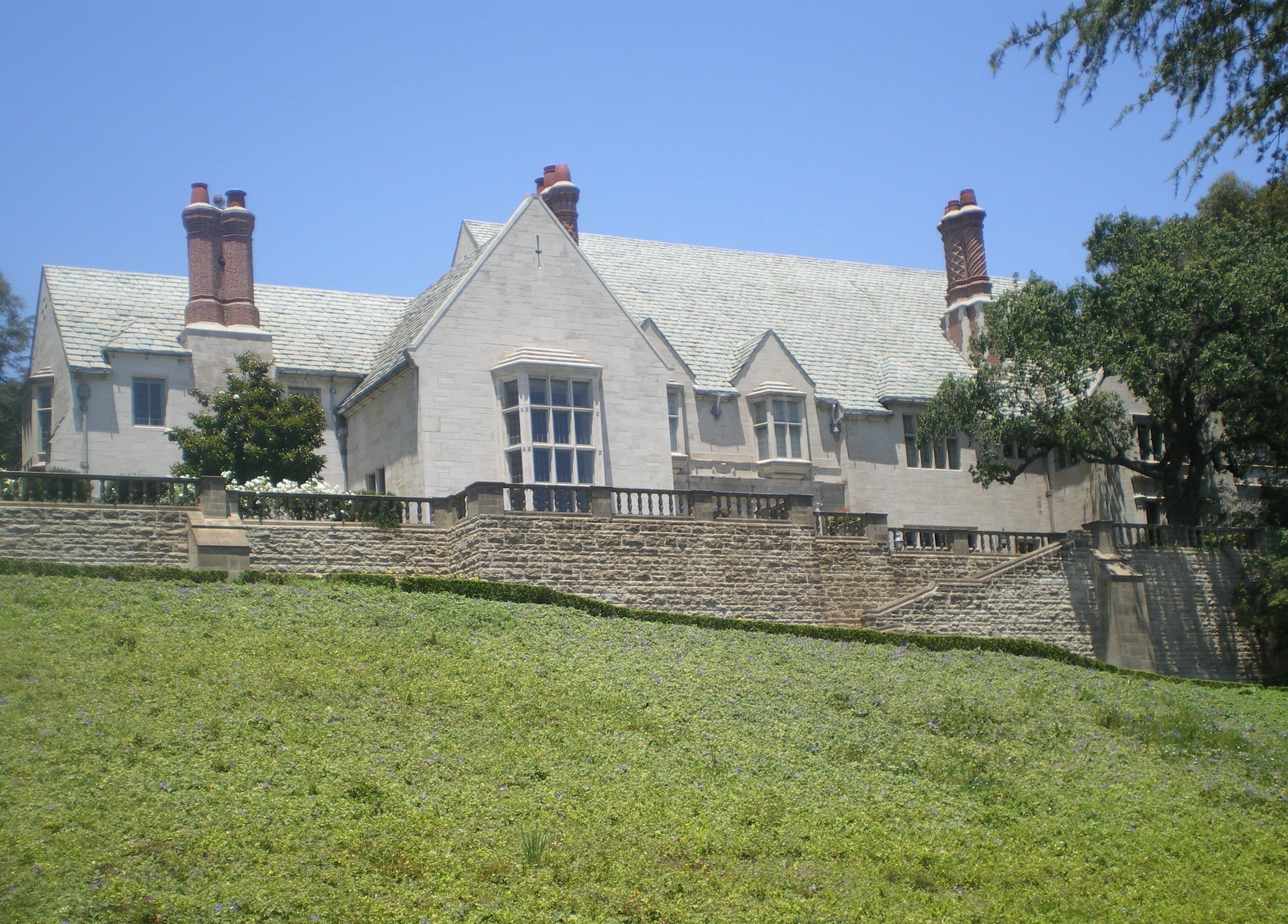
The restoration playbook in Trousdale has a few rules a buyer should know going in. The original glass walls, post-and-beam structure, and roof profiles are protected by the architectural review board for the streets that have one (most of them). The original kitchens and baths are usually gone, which is good because that is where the budget actually needs to land. The systems, electrical, plumbing, HVAC, are almost always 1960s vintage and need full replacement. Pools and decks are the easy wins.
The architects who do this work well are a short list and they are busy. Marmol Radziner, Standard, Studio William Hefner, KAA. A buyer who shows up with a budget and no architect is going to wait nine months to start. A buyer who shows up with an architect already engaged closes faster and pays less because the seller can see the project is real.
The view direction matters more than the street. South-facing lots in the lower curves get downtown, ocean, and Catalina on a clear day. North-facing lots up by Loma Vista get the Valley and the San Gabriels. The premium for south-facing is real and it has not narrowed in twenty years.
What we tell a Trousdale buyer in 2026 is this. If they want to move in next month, the spec product is the only option and the price is what the price is. If they have eighteen months and an appetite for a project, the architectural inventory on the same hillside is a fundamentally better deal. Land that will not be replaced. Architecture that the next buyer will value more than the new construction across the street.